

A professionally selected and installed water softening system does more than eliminate hard water. It helps protect plumbing, appliances, fixtures, and water-using equipment while improving cleaning performance throughout your home. By matching the right system to your household’s water conditions, homeowners can enjoy greater efficiency, easier maintenance, and long-term value.
Hard water is one of the most common water quality challenges facing Minnesota homeowners. Although the minerals found in hard water are naturally occurring, they can leave behind scale buildup that affects plumbing, reduces appliance efficiency, and makes everyday cleaning more difficult.
Many homeowners don’t notice the effects immediately. Instead, hard water problems develop gradually. White mineral deposits begin appearing on faucets and showerheads. Soap becomes harder to rinse away. Water heaters take longer to recover. Dishwashers leave behind cloudy glasses, and washing machines struggle to keep clothing looking its best.
While temporary fixes may reduce some of these frustrations, a professionally designed water softening system addresses the source of the problem. Rather than treating symptoms, it reduces the hardness minerals responsible for scale buildup throughout your home’s plumbing system.
Choosing a professional water softening system isn’t simply about installing equipment. It’s about selecting a solution that’s properly sized for your household, your water usage, and your local water conditions. That customized approach helps deliver better performance while protecting your investment for years to come.
Quick Facts About Professional Water Softening Systems
Calcium and magnesium are the primary minerals responsible for water hardness.
Mineral deposits accumulate over time inside appliances, plumbing fixtures, and water heaters.
The best water softener depends on your household’s water hardness, daily usage, and family size.
Routine inspections and proper salt management help keep systems operating efficiently.
What Does a Professional Water Softening System Do?
A professional water softening system removes hardness minerals such as calcium and magnesium before they circulate throughout your home’s plumbing. By exchanging these minerals for sodium or potassium ions, the system helps reduce the scale buildup that commonly develops inside pipes, fixtures, appliances, and water heaters.
The result is more than softer-feeling water. A properly operating system can help improve soap performance, reduce spotting on dishes and fixtures, minimize mineral accumulation inside plumbing, and support more consistent appliance operation over time.
Unlike one-size-fits-all products purchased off the shelf, professionally selected systems are designed around your home’s specific water conditions. Factors such as water hardness, household size, plumbing configuration, and daily water consumption all influence which system will deliver the best long-term results.
How Does Hard Water Affect Your Home?
Hard water impacts nearly every area of a home that uses water. While the changes often happen gradually, mineral buildup can become increasingly noticeable over the years.
Inside water heaters, scale can collect on heating elements and tank surfaces. Dishwashers may develop mineral deposits that reduce cleaning performance. Washing machines can accumulate scale on internal components, while faucets and showerheads often become restricted by mineral buildup.
Hard water also affects everyday cleaning. Soap and detergent become less effective because hardness minerals interfere with their ability to lather properly. This can leave behind soap residue on dishes, glass, shower doors, clothing, and even skin.
Common Signs You May Have Hard Water
- White spots on dishes and glassware
- Soap scum on tubs, showers, and sinks
- Mineral buildup around faucets
- Dry skin or dull-looking hair after bathing
- Stiff laundry after washing
- Reduced water heater efficiency
- Scale buildup on plumbing fixtures
- Frequent cleaning to remove hard water stains
Is a Professional Water Softener Worth the Investment?
For many homeowners, the answer is yes—especially in areas with moderate to very hard water.
A professionally installed water softener helps protect expensive household systems while improving day-to-day convenience. Instead of continually fighting mineral deposits, homeowners often spend less time cleaning fixtures, use less soap and detergent, and enjoy more consistent water quality throughout the home.
The value extends beyond convenience. Protecting plumbing and water-using appliances from excessive scale buildup may help reduce maintenance concerns and support better long-term performance. While every home is different, many homeowners find that investing in proper water treatment provides benefits that continue long after installation.
Homeowner Tip:
If you’re noticing hard water stains, cloudy dishes, soap that doesn’t lather well, or increasing mineral buildup around fixtures, don’t assume your appliances are the problem. A professional water test can determine whether hard water is the underlying cause and help identify the right treatment solution before small issues become larger ones.
How Does Professional Installation Make a Difference?
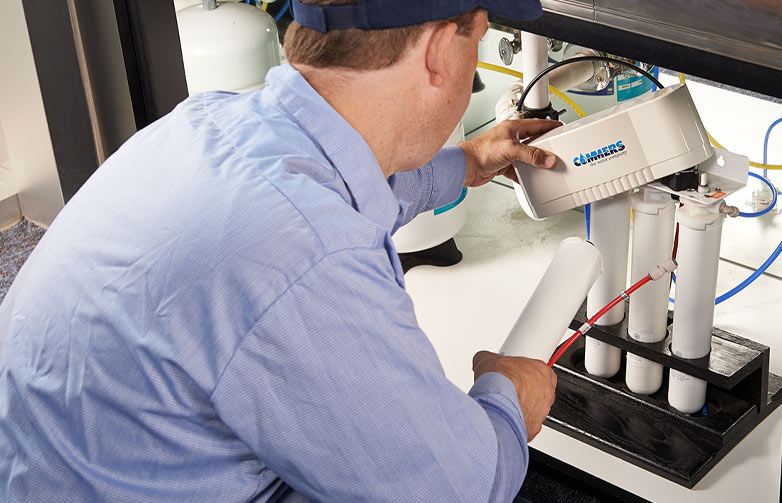
Choosing the right equipment is only part of the equation. Even the highest-quality water softener can struggle to perform if it isn’t properly sized, installed, or programmed for your home’s specific water conditions.
Professional installation begins with understanding your water. Water hardness levels, household size, plumbing layout, daily water usage, and future water demands all influence which system will provide the best long-term performance.
Instead of relying on estimates or generic recommendations, professional installers evaluate these factors before recommending equipment. This helps ensure the system regenerates efficiently, uses the appropriate amount of salt and water, and delivers consistent soft water throughout the home.
Proper installation also includes configuring the system correctly, verifying plumbing connections, checking bypass valves, and confirming that regeneration settings match your household’s actual water usage. These small details play an important role in maximizing efficiency and reliability.
How Soft Water Helps Protect Your Water Heater
One of the biggest beneficiaries of softened water is often the water heater. Hard water minerals can gradually accumulate inside both traditional tank-style and tankless water heaters, creating scale that makes heating elements work harder over time.
As mineral buildup increases, water heaters may become less efficient, require more maintenance, or take longer to produce hot water. While regular maintenance remains important, reducing the amount of hardness minerals entering the system helps minimize one of the primary causes of scale formation.
For homeowners, protecting a water heater means protecting one of the home’s largest plumbing investments. By reducing mineral buildup before it reaches the appliance, a professionally installed water softener helps support efficient operation throughout the year.
Why Homeowners Often Choose Professional Installation
- System recommendations based on actual water hardness
- Equipment properly sized for household demand
- Professional programming for efficient regeneration
- Expert installation that protects plumbing connections
- Ongoing service and maintenance support
- Confidence that the system is operating correctly from day one
Protecting Plumbing Throughout Your Home
Hard water doesn’t only affect appliances—it also affects the plumbing that delivers water throughout your home.
Over time, calcium and magnesium can accumulate inside pipes, valves, faucets, showerheads, and other plumbing fixtures. Although buildup often develops gradually, it may eventually restrict water flow, create stubborn mineral deposits, and increase cleaning and maintenance requirements.
By reducing hardness minerals before they circulate through the plumbing system, a professional water softener helps minimize future scale buildup. While existing deposits may require separate cleaning or maintenance, softened water helps reduce the formation of new mineral scale moving forward.
For homeowners planning to stay in their homes for many years, protecting the plumbing system can be just as valuable as protecting visible appliances.
Soft Water Helps More Than Appliances
Many homeowners first notice the difference softened water makes during everyday activities.
Soap tends to lather more easily. Dishes come out cleaner. Glassware has fewer spots. Towels often feel softer after washing, and cleaning bathrooms may require less effort because mineral deposits are reduced.
Although these improvements may seem small individually, together they contribute to a more comfortable home and less time spent dealing with hard water residue.
Softened water can also help homeowners use soaps and detergents more efficiently because fewer minerals interfere with their cleaning performance. Rather than continually fighting soap scum and mineral buildup, cleaning routines often become simpler and more effective.
Before Replacing Appliances…
If your dishwasher, washing machine, water heater, or plumbing fixtures aren’t performing as expected, don’t automatically assume the appliance has failed. Hard water buildup may be contributing to the problem. A professional water evaluation can help determine whether water quality—not the appliance itself—is affecting performance.
Why DIY Water Softeners Aren’t Always the Best Solution
Many homeowners consider purchasing a water softener online or from a home improvement store. While these systems may work well in some situations, they often rely on generalized sizing recommendations that don’t account for your home’s unique water conditions.
A system that’s too small may regenerate too frequently and struggle to keep up with household demand. A system that’s too large may use more water or salt than necessary if it isn’t properly configured.
Professional installation helps eliminate much of this uncertainty. Rather than selecting equipment based on guesswork, homeowners receive recommendations based on actual water testing and household water usage.
That personalized approach often results in better long-term performance and greater confidence that the system is meeting the home’s needs.
Choosing the Right Water Softener for Your Home
No two homes use water exactly the same way. Household size, plumbing layout, daily water consumption, local water hardness, and future family needs all influence which system will provide the best long-term value.
That’s why professional recommendations focus on more than equipment specifications. The goal is to select a solution that delivers consistent soft water while operating as efficiently as possible.
For some homeowners, a traditional water softener provides everything needed to improve water quality. Others may benefit from combining softening with additional treatment technologies depending on the results of a professional water test.
Rather than asking, “What’s the biggest water softener available?” a better question is, “What’s the right system for my home?” That’s where professional guidance becomes especially valuable.
Did You Know?
Many homeowners live with hard water for years without realizing how much it affects their plumbing, appliances, and daily cleaning routines. A professional water test often reveals opportunities to improve efficiency, reduce mineral buildup, and select a treatment system that’s tailored specifically to the home’s water conditions.
Local Water Softening Solutions for Minnesota Homeowners
Hard water is common throughout much of Minnesota, which means many homeowners experience mineral buildup long before they realize water quality is the underlying cause. Whether your home receives municipal water or relies on a private well, hardness levels can vary significantly depending on your location and water source.
That’s why local experience matters. A water treatment solution that works well for one home may not be the best choice for another. Professional water testing provides a clear picture of your home’s water quality, allowing recommendations to be based on actual conditions instead of assumptions.
Commers has helped homeowners throughout Blaine, Golden Valley, Burnsville, and surrounding Twin Cities communities find water treatment solutions that fit their homes and lifestyles. By evaluating hardness levels, household water use, and long-term goals, the team helps homeowners choose systems designed to provide reliable performance for years to come.
Frequently Asked Questions About Professional Water Softening Systems
What does a professional water softening system do?
A professional water softening system removes hardness minerals such as calcium and magnesium before they circulate throughout your home’s plumbing. This helps reduce scale buildup while improving cleaning performance and protecting appliances that use water.
Is a professional water softener worth the investment?
For many homeowners with moderate to very hard water, a professionally selected system can provide long-term value by helping protect plumbing, reducing mineral buildup, improving appliance performance, and making everyday cleaning easier.
Can a water softener improve appliance performance?
A water softener helps reduce the mineral scale that can build up inside water heaters, dishwashers, washing machines, and plumbing fixtures. Less scale allows many appliances to operate more efficiently and may reduce maintenance related to hard water deposits.
Does a water softener improve drinking water?
A traditional water softener is designed to reduce hardness minerals. It is not intended to remove every drinking water contaminant. If your water test identifies additional concerns, other treatment technologies may be recommended alongside your softener.
How often does a water softener need maintenance?
Most homeowners should periodically check salt levels and inspect the system for proper operation. Professional maintenance schedules vary depending on water hardness, system type, and household water usage.
Why is professional installation important?
Professional installation helps ensure your water softener is properly sized, programmed, and connected to your plumbing system. Correct installation supports efficient operation while reducing the likelihood of performance issues caused by incorrect sizing or setup.
Invest in Better Water for the Long Term
A professional water softening system is more than an appliance—it’s an investment in your home’s plumbing, appliances, and everyday comfort. By reducing the hardness minerals responsible for scale buildup, the right system can help protect some of your home’s most valuable equipment while making daily tasks like cleaning, laundry, and bathing noticeably easier.
The key is choosing a solution that’s designed for your home’s unique water conditions. Professional testing, proper sizing, and expert installation work together to deliver consistent performance and long-term reliability. Rather than relying on guesswork, homeowners gain confidence knowing their treatment system is tailored to their household’s needs.
If you’ve noticed hard water stains, soap scum, mineral buildup, or declining appliance performance, now is an excellent time to learn more about your water. A professional evaluation can identify the cause of these issues and help determine whether a professionally installed water softening system is the right solution for your home.