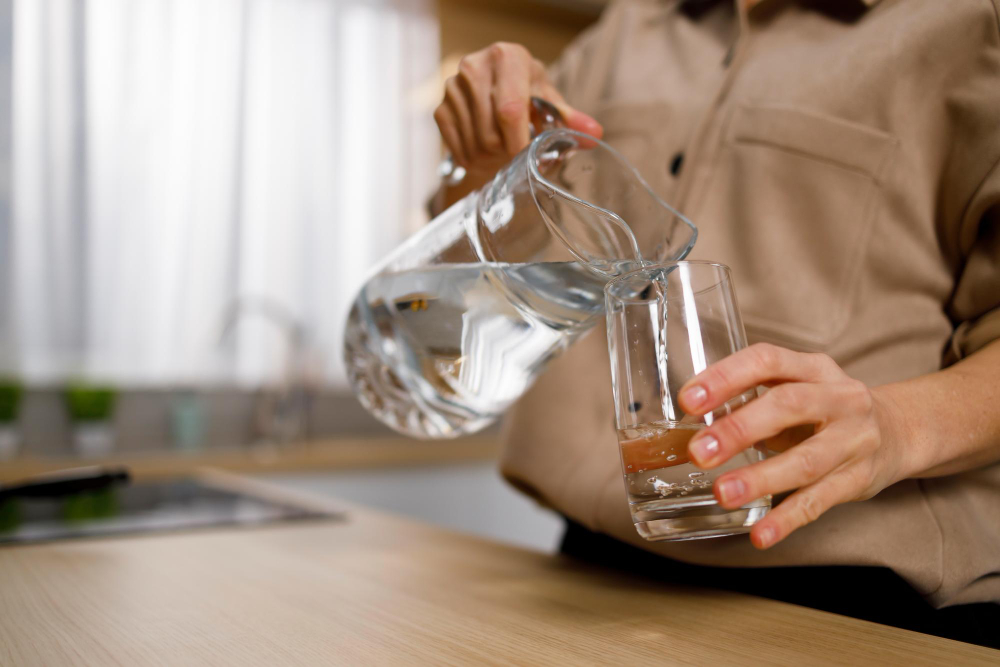
Hard water contains magnesium that may support heart and muscle function, while water softeners replace these minerals with small amounts of sodium to protect your home. The best approach is balancing both—using soft water for appliances and filtered or unsoftened water for drinking—based on your specific water test results.
Hard water magnesium health benefits are often overlooked by homeowners who only think of hard water as a nuisance. While mineral buildup can affect appliances, the magnesium naturally found in hard water may contribute small but meaningful support for heart and muscle function. Understanding how these minerals interact with your home and your health helps you make smarter decisions about water treatment.
Water is never truly “pure” in nature—it picks up minerals like calcium and magnesium as it travels through soil and rock. These minerals define water hardness and vary widely depending on your location. While hardness can reduce efficiency in your home, it also introduces trace minerals that may support your body in subtle ways.
In this guide, we’ll explore how magnesium in hard water affects heart health, what changes when water is softened, and how to balance sodium, filtration, and efficiency for a healthier home.
Does Magnesium in Hard Water Support Heart Health?
Magnesium in hard water may contribute small amounts toward daily intake that support normal heart and muscle function.
Magnesium plays a key role in regulating muscle contractions, including the heart. According to the World Health Organization, adequate magnesium intake is associated with cardiovascular support and overall metabolic health. While most magnesium comes from food, drinking water can provide supplemental intake depending on hardness levels.
For households with low-magnesium diets, even small contributions from water can help maintain balance. However, the amount varies widely based on your local water source, making testing essential before drawing conclusions.
What Makes Water “Hard” and Why It Matters
Hard water simply means water contains higher levels of calcium and magnesium minerals.
As groundwater moves through limestone and other mineral-rich formations, it dissolves these elements. The more mineral content present, the harder the water becomes. While not harmful, hard water can lead to scale buildup in pipes, appliances, and fixtures.
- Hard Water: Contains magnesium and calcium, may support mineral intake but causes scale buildup
- Soft Water: Removes hardness minerals, improves efficiency but adds small amounts of sodium
- Best Solution: Use both strategically—softened water for the home, filtered water for drinking
Understanding this balance helps homeowners avoid treating hard water as purely negative. Instead, it becomes a resource that can be managed effectively.
How Much Sodium Does a Water Softener Add?
A water softener adds a small amount of sodium based on the hardness level of your water.
During ion exchange, calcium and magnesium are replaced with sodium. The amount added depends on how hard your water is to begin with. In many cases, the sodium added is relatively low, but it can still matter for individuals monitoring their intake.
According to the U.S. Environmental Protection Agency, sodium levels in drinking water should be considered for those on restricted diets. This is why many homeowners choose to separate drinking water from softened water.
How to Balance Magnesium Benefits and Sodium Intake
You can balance magnesium intake and sodium levels by combining softening with targeted filtration.
Many homeowners take a hybrid approach to water treatment. A whole-home softener protects plumbing and appliances, while a point-of-use system ensures better drinking water quality.
- Install a reverse osmosis system at the kitchen sink to reduce sodium
- Keep one tap unsoftened for drinking water
- Use potassium chloride instead of sodium chloride if needed
- Test your water before choosing any system
For example, pairing a softener with drinking water filtration allows you to enjoy efficient plumbing while maintaining clean, low-sodium water at the tap.
Why Water Testing Is the First Step
Testing your water reveals exactly what minerals and contaminants are present so you can choose the right solution.
Every home has a unique water profile. Municipal systems may contain chlorine, while well water can include iron or sediment. Without testing, it’s impossible to know how much magnesium or sodium is actually present.
A professional water test provides clarity and ensures your system is properly sized and effective.
Local Water Conditions Matter More Than You Think
Water quality varies significantly by region, which directly impacts hardness and mineral content.
Homeowners across Minnesota often deal with hard water conditions shaped by local groundwater and municipal supply sources. In many communities, mineral levels can shift throughout the year, which makes periodic testing important for protecting both appliances and drinking water quality.
If you live in an area with hard water, understanding your local water profile helps you balance appliance protection with drinking water preferences. Solutions should always be tailored to your home’s specific conditions.
Frequently Asked Questions About Hard Water and Magnesium
Does a water softener remove magnesium?
Is hard water healthier than soft water?
Can reverse osmosis remove sodium?
Should I drink softened water?
Finding the Right Balance for Your Home and Health
Hard water magnesium health benefits highlight an important truth—your water is not just about your plumbing, it is also part of your daily wellness routine. Magnesium may support your body, while softening protects your home from scale-related wear.
The best solution is rarely one-size-fits-all. Instead, combining systems allows you to enjoy the advantages of both approaches. A properly designed setup can improve efficiency, enhance water quality, and support your household’s health goals.
If you are unsure where to start, scheduling a consultation can help you build a personalized plan that works for your water, your home, and your lifestyle.


 Emergency Services
 Bill Pay
 Stores
 Salt Delivery
 (763) 252-7701