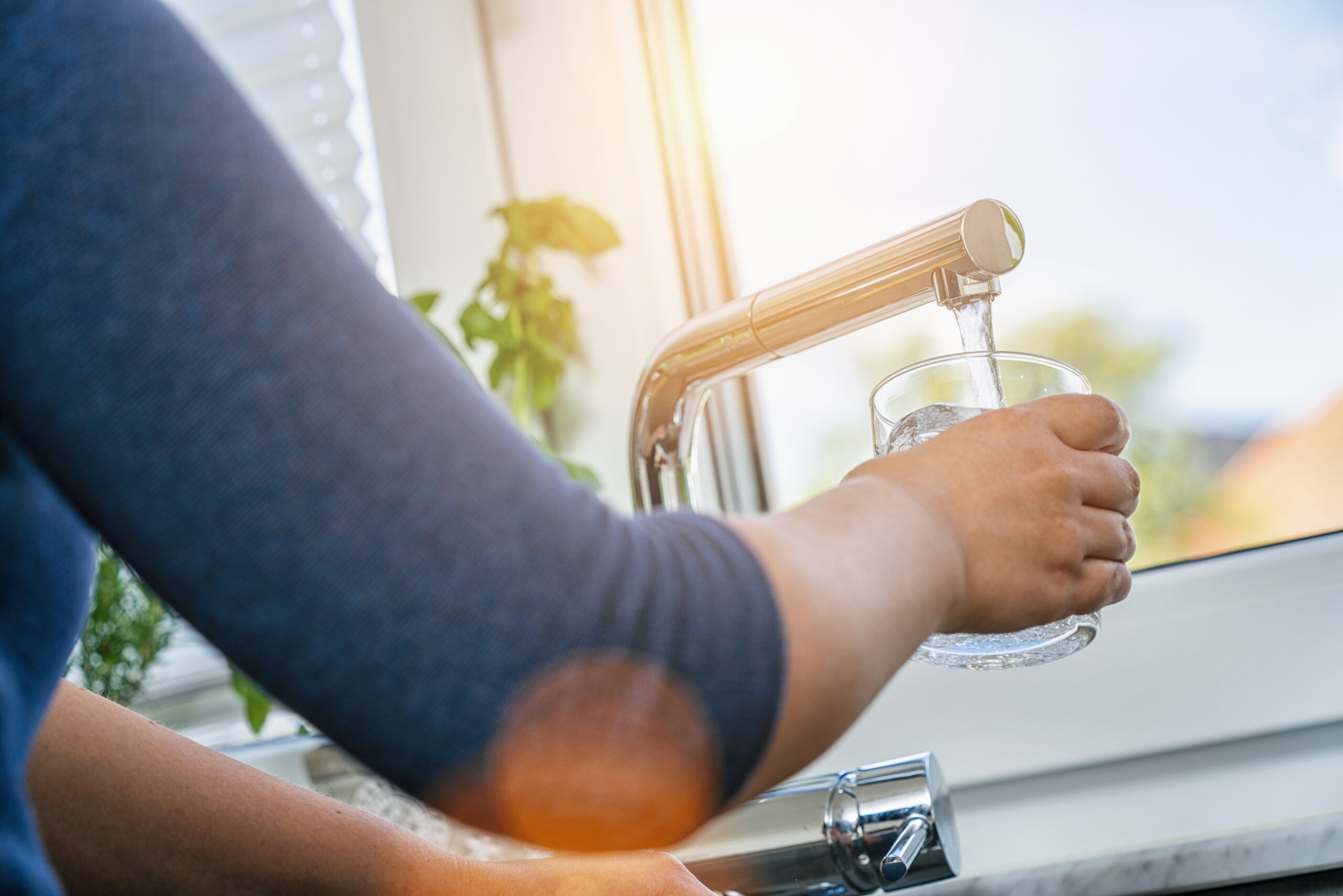
Minnesota well water often contains iron, hardness minerals, sulfur odors, and other naturally occurring contaminants. Because every well is unique, customized treatment solutions based on professional water testing provide the most effective way to achieve cleaner, better-performing water throughout your home.
Common Minnesota Well Water Problems
Many Minnesota homeowners rely on private wells as their primary water source. While well water offers independence from municipal systems, it often comes with unique water quality challenges that vary significantly from one property to another.
Some of the most common issues include iron staining, hard water, sulfur odors, sediment, manganese, and tannins. These contaminants may not always pose a safety concern, but they can impact water appearance, taste, odor, appliance performance, and overall household convenience.
Because every well draws water from different geological conditions, there is rarely a one-size-fits-all solution. Effective treatment begins with understanding the specific characteristics of your water supply.
Professional specialized well water solutions help homeowners address these challenges with customized treatment systems designed around their unique water conditions.
Iron in Minnesota Well Water
Iron is one of the most common complaints among Minnesota well owners. High iron levels often leave orange or reddish-brown stains on sinks, toilets, bathtubs, and laundry. Over time, these stains can become difficult to remove and create ongoing cleaning frustrations.
Iron can also affect water clarity and contribute to unpleasant tastes. In some cases, iron bacteria may develop, creating slime buildup within plumbing fixtures and water systems.
Fortunately, modern treatment technologies are highly effective at addressing iron contamination. Advanced chemical-free iron filtration systems can significantly reduce iron levels and help restore cleaner, clearer water throughout the home.
Choosing the proper filtration approach depends on the type and concentration of iron present in the water, making professional testing an important first step.
Hard Water Challenges Throughout Minnesota
Hard water is another widespread issue for Minnesota homeowners. Water hardness occurs when calcium and magnesium minerals are present in elevated concentrations.
Signs of hard water often include:
- White scale buildup on fixtures
- Soap scum on showers and sinks
- Spots on dishes and glassware
- Dry skin and hair after bathing
- Reduced appliance efficiency
Hard water can shorten the lifespan of water heaters, dishwashers, washing machines, and plumbing fixtures by allowing mineral deposits to accumulate over time.
A properly sized water treatment system can help reduce these effects while improving cleaning performance and extending appliance longevity.
Key Facts About Minnesota Well Water Treatment
- Iron is one of the most common well water concerns throughout Minnesota.
- Hard water minerals can reduce appliance efficiency and increase maintenance costs.
- Sulfur odors often create unpleasant “rotten egg” smells in water.
- Professional water testing identifies the exact contaminants affecting your well.
- Customized treatment systems provide better results than one-size-fits-all solutions.
- Regular maintenance helps ensure long-term water quality and system performance.
Odors, Sulfur, and Other Well Water Contaminants
Many Minnesota homeowners experience unpleasant odors in their well water. Sulfur compounds are a frequent cause of the familiar “rotten egg” smell that can affect drinking water, showers, and household water use.
In addition to sulfur, some wells contain manganese, tannins, or sediment that can create discoloration, staining, or undesirable water characteristics. These issues often require specialized treatment approaches designed specifically for the contaminants present.
Because odor and staining problems can originate from multiple sources, proper diagnosis is essential. Identifying the root cause allows water treatment professionals to recommend the most effective solution for your home.
Why Water Testing Matters
Water treatment decisions should never be based on assumptions alone. Two neighboring homes may have completely different water chemistry despite being located close together.
Professional water testing provides detailed information about hardness levels, iron concentrations, pH balance, sulfur content, and other factors that influence treatment recommendations.
A comprehensive free water test helps identify the specific issues affecting your water and ensures that treatment solutions are properly matched to your home’s needs.
Testing also helps homeowners avoid investing in equipment that may not fully address their water quality concerns.
Customized Treatment Solutions for Private Wells
The most effective well water treatment systems are designed around the unique characteristics of the water being treated. Depending on the contaminants present, a customized solution may include iron filtration, water softening, odor reduction, sediment removal, or multiple treatment technologies working together.
Many homeowners benefit from combining several treatment methods into a comprehensive system that addresses all major water quality concerns simultaneously.
Rather than treating symptoms individually, customized systems target the root causes of water quality problems and provide long-term performance throughout the home.
This personalized approach helps homeowners maximize water quality while protecting plumbing systems, fixtures, and appliances.
Frequently Asked Questions About Minnesota Well Water
What contaminants are common in Minnesota well water?
How do I know if my well water needs treatment?
What causes orange stains in sinks and toilets?
How can I get rid of sulfur odors in my water?
Why is professional water testing important?
Protecting Your Home and Appliances
Well water quality affects more than just drinking water. Iron, hardness minerals, and other contaminants can impact plumbing systems, water heaters, appliances, fixtures, and overall household efficiency.
By addressing water quality issues proactively, homeowners can help reduce maintenance costs, extend appliance lifespan, and improve everyday water use throughout the home.
Customized treatment solutions not only improve water quality but also help protect some of the most important systems within your household.
Request Your Free Well Water Evaluation
If you’re experiencing staining, odors, hard water, or other well water concerns, the first step is understanding exactly what’s in your water.
The team at Commers Water offers professional testing and customized treatment recommendations designed specifically for Minnesota well water conditions.
Request your free well water evaluation today and discover the right solution for cleaner, better-performing water throughout your home.

 Emergency Services
 Bill Pay
 Stores
 Salt Delivery
 (763) 252-7701