My Blog Heading

Second Heading Goes Here

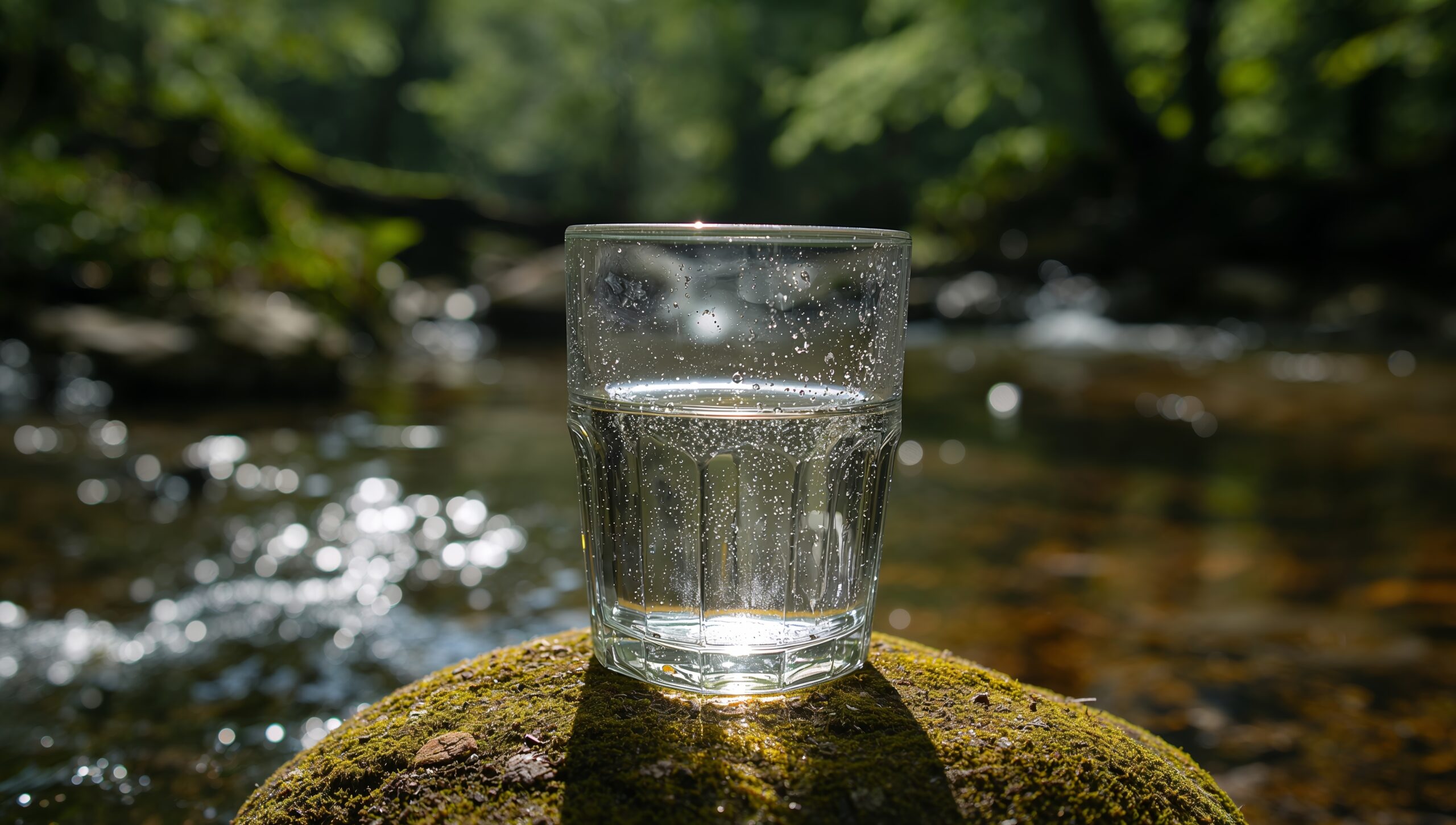
Clear glass of drinking water placed on a moss-covered log with a blurred natural green forest background.

Spring Water Softener Maintenance: Essential Tips to Keep Your System Running Efficiently

Key Takeaway:

Spring water softener maintenance helps prevent hard water issues, improve system efficiency, and extend the life of your appliances. Simple tasks like checking salt levels, cleaning the brine tank, and adjusting settings can keep your system performing at its best through warmer months.

Spring water softener maintenance is one of the most effective ways to ensure your system continues delivering soft water as temperatures rise and water usage increases. After months of winter strain, your system may need attention to maintain peak performance.

By taking a proactive approach, homeowners can prevent scale buildup, improve efficiency, and avoid costly repairs. Whether you’re dealing with mineral-heavy water or simply preparing for seasonal changes, proper maintenance keeps your system reliable and your water quality consistent.

Spring maintenance prepares your system for increased water usage.
Checking salt levels is critical for proper regeneration.
Cleaning the brine tank prevents clogs and inefficiency.
Regular inspections help catch small issues before they become costly repairs.

How Do You Perform Spring Water Softener Maintenance?

Spring water softener maintenance involves inspecting the system, checking salt levels, cleaning components, and adjusting settings for seasonal use.

These steps ensure your system continues to remove hardness minerals effectively. When maintenance is skipped, you may notice reduced efficiency, scale buildup, or hard water returning to your home.

Quick Maintenance Checklist:

Inspect for leaks, check and refill salt monthly, clean the brine tank every 6–12 months, break up salt bridges, and schedule a professional inspection annually.

Why Is Spring Maintenance Important for Water Softeners?

Spring maintenance is important because it prepares your system for increased demand and prevents performance issues.

Warmer months often bring higher water usage, which places additional strain on your softener. Without proper maintenance, mineral buildup and system inefficiencies can reduce performance and increase operating costs.

Understanding water softener systems can help homeowners recognize the importance of consistent upkeep.

How Do You Check and Maintain Salt Levels?

You should check salt levels monthly and refill the brine tank as needed to ensure proper operation.

Salt is essential for the ion exchange process that removes hardness minerals. If levels drop too low, your system cannot regenerate effectively, allowing hard water to pass through.

Maintaining proper levels helps prevent issues like scale buildup and reduced appliance efficiency. If you’re unsure about your water quality, scheduling a water test can provide valuable insight.

Pro Tip: Pour salt around the edges of the tank rather than directly in the center to help prevent salt bridging and maintain consistent flow.

How Do You Clean a Water Softener Brine Tank?

Cleaning the brine tank involves removing old salt, flushing the tank, and refilling it with fresh salt and water.

Over time, debris and salt crusts can accumulate, reducing efficiency. Cleaning the tank every 6–12 months helps ensure the system regenerates properly and continues delivering soft water.

Homeowners dealing with buildup issues often explore common water problems to better understand system performance challenges.

Should You Adjust the Regeneration Cycle in Spring?

Yes, adjusting the regeneration cycle helps your system keep up with increased seasonal water usage.

As water demand rises, your system may need to regenerate more frequently. Reviewing and adjusting settings ensures your softener operates efficiently without wasting water or energy.

Important: Water softeners remove hardness minerals but do not filter contaminants—additional filtration may be needed for drinking water quality.

What Are Common Spring Water Softener Problems?

Common issues include salt bridging, low salt levels, and reduced water flow due to buildup.

These problems often appear after winter when systems have been working harder. Addressing them early prevents further damage and ensures consistent performance.

If issues persist, homeowners may benefit from professional water softener service to diagnose and resolve more complex problems.

Local Water Conditions and Seasonal Impact

Homes in Minnesota and throughout the Midwest often experience hard water due to high mineral content, making seasonal maintenance especially important.

Spring thaw and increased water usage can impact system performance, making routine checks essential. Understanding local water conditions helps homeowners adjust maintenance routines for better results.

According to the Water Quality Association, regular maintenance plays a key role in maintaining system efficiency and preventing long-term issues.

How often should I maintain my water softener?

Basic maintenance like checking salt levels should be done monthly, while deeper cleaning is recommended every 6 to 12 months.

What happens if I skip spring maintenance?

Skipping maintenance can lead to reduced efficiency, hard water returning, and potential damage to appliances and plumbing.

Can I maintain my water softener myself?

Yes, homeowners can handle tasks like checking salt levels and cleaning the tank, but professional inspections are recommended annually.

Does maintenance improve water quality?

Yes, proper maintenance ensures your system continues to effectively remove hardness minerals and deliver consistent soft water.

Why Spring Maintenance Sets You Up for Success

Spring water softener maintenance helps ensure your system is ready for increased demand and seasonal changes.

By taking a proactive approach, you can extend the life of your system, improve efficiency, and reduce the risk of costly repairs. A well-maintained system delivers consistent performance and better water quality throughout the year.

Further Reading & References

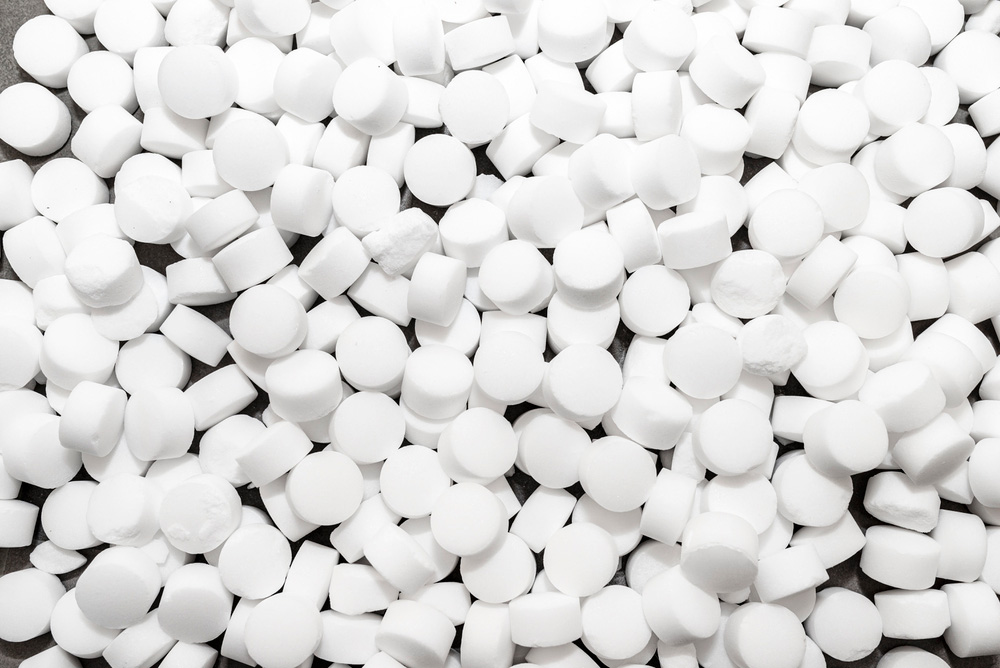
Water softeners covering a black surface.

Hard Water Boiler Problems in Minnesota: Hidden Heating Costs Homeowners Should Know

Key Takeaway:

Hard water in Minnesota can quietly damage boilers, furnaces, and humidifiers by leaving behind mineral scale that reduces heat transfer and efficiency. Installing and maintaining a properly sized salt-based water softener helps prevent scale buildup, lower heating costs, and extend equipment life during long winters. Testing your water and maintaining your softener help ensure consistent protection for your heating systems year after year.

Hard water boiler problems are common in Minnesota homes, especially during long winters when heating systems run almost nonstop. Hard water contains dissolved minerals—primarily calcium and magnesium—that naturally occur as groundwater moves through rock and soil. While these minerals are safe to drink, they can leave behind scale deposits inside boilers, humidifiers, and heating equipment.

Over time, these mineral deposits reduce heat transfer, force heating systems to work harder, and may increase energy costs. In cold climates like Minnesota, where heating systems run for months at a time, even a thin layer of scale can significantly affect performance. Understanding how hard water interacts with boilers, furnaces, and humidifiers helps homeowners identify potential problems early and protect their heating equipment.

Quick Facts: Hard Water and Heating Systems

Hard water contains calcium and magnesium that form mineral scale when heated.
Even thin scale buildup inside boilers can reduce heat transfer efficiency and increase fuel use.
Minnesota groundwater often contains moderate to high mineral content due to regional geology.
Whole-home humidifiers connected to furnaces may collect mineral deposits when hard water is present.
Salt-based ion exchange softeners remove hardness minerals before they reach heating equipment.

How does hard water damage a boiler?

Hard water damages boilers by creating mineral scale on heat exchangers that blocks heat transfer and forces the system to use more energy to heat water.

When calcium and magnesium minerals are heated inside a boiler, they can crystallize and attach to metal surfaces. These deposits form a layer of scale that acts like insulation between the heating element and the water. Because heat must pass through this layer before reaching the water, the system must run longer to reach the desired temperature.

Over time, scale buildup may cause uneven heating, rumbling or “kettling” noises, and increased wear on components. Boilers that repeatedly operate under these conditions may experience shorter equipment life and higher maintenance needs. According to the U.S. Geological Survey, water hardness varies significantly depending on regional geology, which explains why many Minnesota homes encounter mineral buildup in heating systems.

Homeowner Tip:
If your boiler begins making popping or rumbling noises during heating cycles, mineral scale buildup may be affecting heat transfer. Early testing and water treatment can help prevent more serious performance issues.

Why do humidifiers cause hard water furnace issues?

Furnace humidifiers connected to a water supply may accumulate mineral deposits when hard water evaporates inside the unit.

Many forced-air heating systems in Minnesota include whole-home humidifiers that add moisture to dry winter air. As water evaporates inside the humidifier pad, dissolved minerals remain behind. Over time, these minerals can form crusty deposits that clog distribution trays, block valves, or reduce moisture output.

When buildup becomes severe, homeowners may notice white residue around the humidifier or reduced humidity levels inside the home. This can make indoor air feel drier during winter months and may require more frequent maintenance of humidifier components.

Maintenance Reminder:
Humidifier pads should be inspected and replaced regularly during the heating season. Mineral buildup can reduce humidity output and place additional strain on furnace components.

Does a water softener improve boiler efficiency?

A water softener improves boiler efficiency by removing calcium and magnesium minerals before they can form scale deposits inside heating equipment.

Salt-based ion exchange softeners work by replacing hardness minerals with sodium or potassium ions. Because these replacement ions remain dissolved in water rather than forming scale, softened water can pass through boilers and humidifiers without leaving mineral deposits.

When scale buildup is minimized, heat exchangers transfer heat more efficiently and heating systems can operate closer to their designed performance levels. Over time, this may help reduce fuel use, extend equipment lifespan, and lower maintenance costs for homeowners.

Where does hard water come from in Minnesota?

Hard water in Minnesota typically comes from groundwater that dissolves minerals from limestone and other rock formations as it moves through soil and aquifers.

Municipal water supplies and private wells may both contain varying levels of hardness depending on the location. In some areas, groundwater travels through mineral-rich formations that naturally increase calcium and magnesium levels before reaching homes.

Because hardness levels vary by region, testing your home’s water is the most reliable way to determine whether mineral buildup could affect your heating system.

What signs suggest hard water is affecting your heating system?

Several common warning signs may indicate that mineral scale is building up inside heating equipment.

  • Boiler kettling or rumbling noises during heating cycles
  • Reduced humidity output from furnace humidifiers
  • White mineral residue around humidifier components
  • Higher winter heating costs
  • More frequent heating system maintenance

These signs often develop gradually, which is why homeowners may not immediately connect them to water quality. Identifying hardness early can help prevent long-term efficiency problems.

How homeowners can reduce hard water heating problems

Preventing hard water boiler problems typically begins with testing your water and installing a properly sized treatment system if hardness levels are high.

Whole-home softeners installed at the main water line treat water before it reaches boilers, humidifiers, and plumbing fixtures. Because the minerals are removed before heating occurs, the system reduces the conditions that cause scale formation.

Routine maintenance also plays an important role. Checking softener salt levels, monitoring water hardness, and servicing treatment equipment regularly help ensure continued protection throughout Minnesota’s long heating season.

Maintenance Tip:
Checking salt levels in your water softener once a month during winter helps ensure your system continues removing hardness minerals before they reach your heating equipment.

Local Authority: Hard Water Challenges Across Minnesota

Homes across Minnesota frequently experience hard water conditions due to regional groundwater geology. Communities throughout the Twin Cities metro area, including Minneapolis, St. Paul, Bloomington, and surrounding counties such as Hennepin, Ramsey, and Dakota, often report moderate to high mineral content in their water supplies.

In rural parts of the state where private wells are common, hardness levels may be even higher. Because heating systems run for extended periods during Minnesota winters, managing water hardness can play an important role in maintaining heating efficiency and preventing unnecessary equipment wear.

Frequently Asked Questions About Hard Water and Heating Systems

Does hard water make drinking water unsafe?

Hard water does not make drinking water unsafe. Calcium and magnesium are naturally occurring minerals that are commonly found in groundwater. While these minerals can create scale buildup in plumbing and heating equipment, they do not pose health risks when consumed.

How often should homeowners test their water?

Most homeowners benefit from testing their water once per year, particularly before the winter heating season. Regular testing helps identify changes in hardness levels and ensures treatment systems remain properly adjusted.

Can hard water increase heating costs?

Yes. Mineral scale inside boilers can reduce heat transfer efficiency, forcing heating systems to run longer to produce the same amount of heat. Over time, this can increase fuel consumption and heating costs.

Do all homes need a water softener?

Not every home requires a water softener. The need for treatment depends on the hardness level of the local water supply and the household’s plumbing and heating systems. Water testing helps determine whether treatment would be beneficial.

Protecting Your Heating System During Minnesota Winters

Minnesota winters place heavy demands on boilers, furnaces, and humidifiers. When hard water enters these systems, mineral scale may quietly reduce efficiency and increase wear on heating equipment.

Understanding how hardness affects heating systems allows homeowners to identify potential issues early and take steps to reduce scale buildup. Testing water quality and maintaining appropriate treatment systems can help keep heating equipment operating efficiently throughout the cold season.

Further Reading & References

  Emergency Services

  Bill Pay

  Stores

  Salt Delivery

  (763) 252-7701