


Water Softener Salt Selection for Minnesota Homes: Pellets vs. Crystals vs. Solar Salt
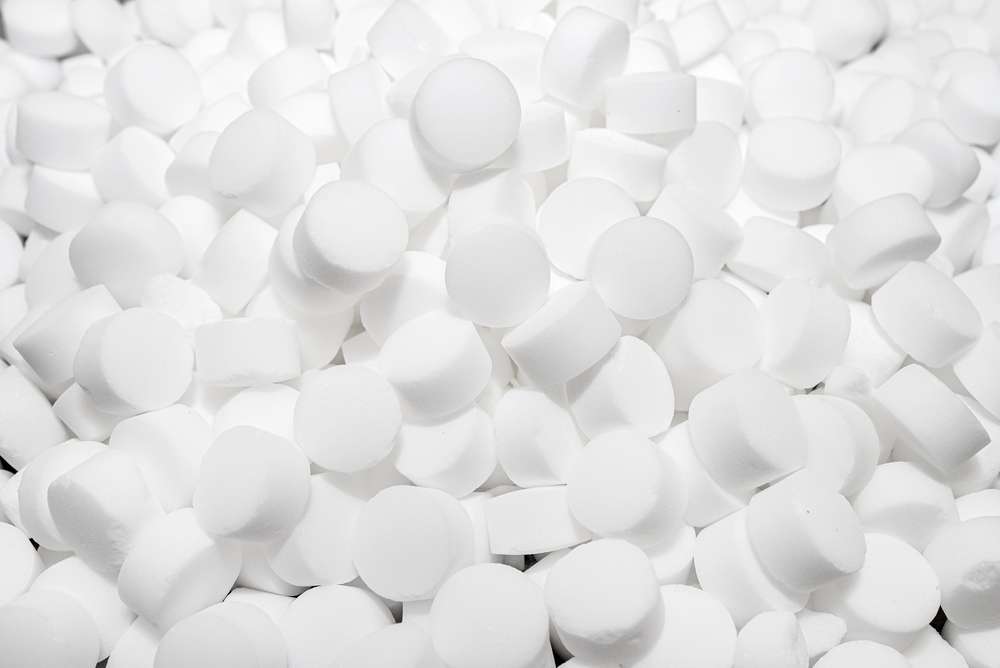
Key Takeaway: The best water softener salt for your Minnesota home depends on your system, the salt’s purity, your household water use, and the manufacturer’s recommendations. Pellets, crystals, and solar salt can all work effectively in compatible systems, but differences in purity, processing, residue, and handling may make one option a better fit for your softener. When in doubt, check your system manual or ask a water treatment professional before switching salt types. Choosing water softener salt seems simple until you’re standing in front of bags labeled pellets, crystals, solar salt, evaporated salt, and potassium chloride. Do they all do the same thing? Does one keep your softener cleaner? And can choosing the wrong salt actually affect how your system operates? For Minnesota homeowners, those questions matter. Hard water is common throughout the state, and Commers notes that Minnesota water hardness averages about 12–18 grains per gallon. A properly operating water softener can reduce the calcium and magnesium responsible for scale, spotting, soap scum, and other familiar hard water problems. Salt plays a critical role in that process. It doesn’t directly “filter” hardness minerals from your water. Instead, the brine created in your softener’s salt tank is used during regeneration to recharge the resin that removes hardness minerals. That means keeping the right type and amount of salt in your system is an important part of routine water softener maintenance. The good news? There isn’t one universal salt that every Minnesota homeowner needs. Understanding the differences makes choosing the right option much easier. Quick Facts About Water Softener Salt Salt regenerates the softener. The brine solution helps recharge ion-exchange resin so it can continue removing hardness minerals. Purity matters. Higher-purity salt generally introduces fewer insoluble materials into the brine tank. Pellets and crystals can both work well. The better choice depends on your equipment and the specific salt product—not simply its shape. Your softener comes first. Always follow the equipment manufacturer’s recommendations when choosing or changing salt. What Type of Salt Is Best for a Water Softener? The best water softener salt is a high-quality product that is compatible with your particular system and follows the equipment manufacturer’s recommendations. There isn’t a single answer that applies to every water softener. Sodium chloride is the most common regenerant, and homeowners will typically encounter it as pellets, crystals, or solar salt crystals. Potassium chloride is another option for certain systems and households. Instead of choosing solely based on price or packaging, pay attention to salt purity, additives, your softener’s requirements, and any recurring issues in the brine tank. For example, a homeowner who repeatedly deals with residue in the tank may benefit from a higher-purity product. Another household may prioritize convenience and consistent availability. The important thing is matching the salt to the system rather than assuming one form is automatically superior. Pellets vs. Crystals vs. Solar Salt at a Glance Salt Pellets: Typically compressed into uniform pieces and widely used in residential softeners. Product purity and additives vary by brand. Salt Crystals: Loose sodium chloride crystals that can work effectively in many compatible residential systems. Solar Salt: Salt produced through the evaporation of seawater or brine, commonly sold in crystal form. Purity varies by product. Potassium Chloride: A sodium-free alternative regenerant that can be used with some water softeners, although settings or regeneration requirements may differ. Are Water Softener Pellets or Crystals Better? Neither pellets nor crystals are automatically better for every water softener. Both can regenerate ion-exchange resin effectively when the product is appropriate for the equipment and used according to manufacturer instructions. Pellets are manufactured into a consistent shape and are available in different purity levels and formulations. Some include additives intended to address iron or help keep components cleaner, so homeowners should read the bag rather than assuming all pellets are identical. Crystals are another common sodium chloride option. They can be straightforward and economical, but their purity and mineral content also vary depending on how they are produced. Claims that pellets are always for large systems or crystals are always for small systems oversimplify the decision. Tank size alone does not determine which salt you should use. Your equipment manufacturer’s specifications and the quality of the individual salt product are much better guides. What Is Solar Salt for a Water Softener? Solar salt is sodium chloride produced by evaporating seawater or natural brine using the sun and wind. It is commonly sold as crystals and can be used in many residential water softeners. Solar salt is sometimes marketed as the more “natural” or environmentally friendly choice. However, homeowners should be cautious about assuming that its production method automatically makes it the best environmental option or the purest salt available. Purity varies among products. Highly purified evaporated salts may contain fewer insoluble materials than some solar salts, while a high-quality solar product may perform very well in a compatible softener. The better approach is to compare the actual product specifications and follow your softener manufacturer’s guidance rather than choosing based solely on labels such as “natural” or “eco-friendly.” Homeowner Tip: Check the salt bag for its purity level and recommended applications. Cleaner, higher-purity salt can mean fewer insoluble materials accumulating in the brine tank, but your softener’s manufacturer recommendations should always take priority. Why Does Salt Purity Matter? Higher-purity water softener salt contains less insoluble material that can settle in the brine tank over time. The salt used during regeneration dissolves into water to form brine. Materials that do not dissolve can remain behind as sediment or residue. Over time, excessive accumulation may mean the tank requires more cleaning. This is one reason homeowners should compare more than the price per bag. A lower-cost product with more insoluble material may require additional maintenance compared with a cleaner, higher-purity product. Commers, for example, offers 50-pound extra-coarse salt specifically bagged for its customers that the company lists as 99.6% pure salt. Homeowners in the Twin Cities can also choose front-door, garage, or carry-in-and-fill delivery through Commers’ salt delivery program.