My Blog Heading

Second Heading Goes Here

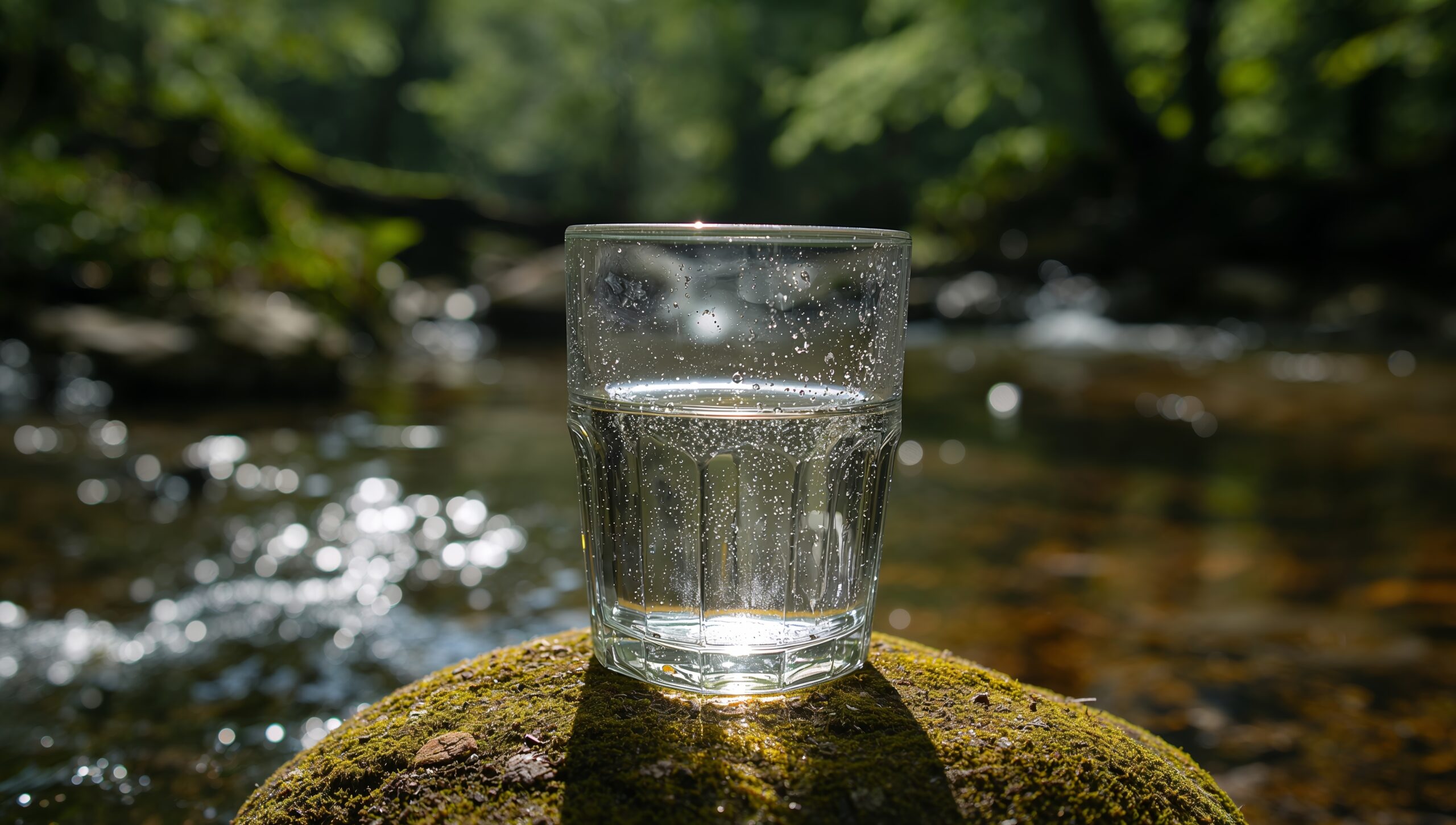
A glass of clear liquid, possibly water, resting on a mossy surface, set against a blurred backdrop of green foliage and shimmering water.

Sustainable Water Softening Solutions

Key Takeaway:

An eco-friendly water softener can help homeowners reduce salt and water waste while protecting plumbing systems and appliances from hard water buildup. High-efficiency systems improve sustainability, lower maintenance demands, and support long-term household savings.

Eco-friendly water softening systems are becoming increasingly popular among homeowners looking to improve water quality while reducing environmental impact. Modern high-efficiency systems are designed to minimize salt usage, conserve water, and improve appliance performance without sacrificing effectiveness.

Hard water minerals can create scale buildup inside pipes, water heaters, dishwashers, and washing machines. Over time, this buildup may reduce appliance efficiency, increase maintenance costs, and shorten equipment lifespan.

By upgrading to sustainable water softening solutions, homeowners can improve household water quality while supporting more responsible resource use.

Biggest Environmental Benefit: Reduced salt and water waste
Most Common Household Benefit: Less scale buildup
Long-Term Advantage: Extended appliance lifespan
Best First Step: Schedule professional water testing

What Makes a Water Softener Eco-Friendly?

An eco-friendly water softener is designed to reduce unnecessary salt and water usage during the softening process.

Traditional systems may use more water and salt than necessary during regeneration cycles. High-efficiency systems use advanced controls that measure actual water usage and regenerate only when needed, helping reduce waste while maintaining consistent performance.

These systems support both environmental sustainability and household efficiency by reducing resource consumption over time.

Homeowners researching efficient water treatment solutions often explore high-efficiency water softeners to better understand modern sustainable softening technologies.

Features Commonly Found in Eco-Friendly Systems:

  • Demand-based regeneration cycles
  • Lower salt consumption
  • Reduced water waste
  • Improved efficiency monitoring
  • Optimized regeneration settings
  • Longer-lasting system performance

How Do High-Efficiency Water Softeners Work?

High-efficiency water softeners use advanced programming and regeneration technology to reduce unnecessary waste.

Instead of regenerating on fixed schedules, many modern systems monitor household water usage and regenerate only when required. This helps reduce excess salt usage while conserving water throughout the softening cycle.

By improving efficiency, homeowners may reduce utility costs while still protecting plumbing systems and appliances from hard water buildup.

Educational resources like hard water warning signs can help homeowners identify when a more efficient softening system may be beneficial.

Benefits of High-Efficiency Systems:

  • Reduced salt waste
  • Lower water consumption
  • Better appliance efficiency
  • Reduced maintenance needs
  • Improved long-term operating costs
  • More environmentally responsible operation

How Does Hard Water Affect Appliances?

Hard water minerals can gradually build up inside appliances and plumbing systems, reducing efficiency and increasing wear over time.

Water heaters, dishwashers, washing machines, and coffee makers are especially vulnerable to mineral scale accumulation. As scale buildup increases, appliances may work harder, use more energy, and require more frequent repairs.

Reducing mineral buildup helps support appliance performance and may extend the lifespan of household equipment.

Many homeowners learn more about these risks through resources explaining the impact of hard water on appliances.

Common Effects of Hard Water:

  • Scale buildup inside appliances
  • Reduced water heater efficiency
  • Spotting on dishes and fixtures
  • Soap scum accumulation
  • Higher utility costs
  • Shortened appliance lifespan

Environmental Benefits of Efficient Water Softeners

Efficient water softening systems support sustainability by reducing water consumption and lowering salt discharge into the environment.

Using less water during regeneration cycles helps conserve local water resources, while reduced salt usage minimizes environmental strain associated with wastewater disposal.

As more homeowners adopt efficient systems, the collective environmental impact can contribute to broader conservation efforts within communities.

According to the Water Quality Association (WQA), modern water softeners continue evolving to improve efficiency and reduce environmental impact.

Are Sustainable Water Softeners Worth It?

For many homeowners, sustainable water softeners provide both environmental and financial benefits over time.

Although high-efficiency systems may involve a larger upfront investment, the long-term savings from reduced salt use, lower water consumption, and improved appliance performance can offset costs over time.

Eco-friendly systems also help reduce maintenance demands while supporting a more sustainable household water treatment strategy.

Homeowners looking for personalized recommendations often benefit from professional water testing services before selecting a new water softening system.

Eco-Friendly Water Softener FAQs

What is an eco-friendly water softener?

An eco-friendly water softener is designed to reduce salt and water waste while efficiently treating hard water throughout the home.

Do efficient water softeners use less salt?

Yes. High-efficiency systems use advanced regeneration controls that help reduce unnecessary salt usage.

Can hard water damage appliances?

Yes. Hard water minerals can create scale buildup inside appliances and plumbing systems, reducing efficiency and increasing wear over time.

Are high-efficiency water softeners worth the investment?

Many homeowners find that efficient systems provide long-term savings through lower utility costs, reduced maintenance, and improved appliance lifespan.

How often do water softeners require maintenance?

Maintenance schedules vary by system type and water conditions, but most systems require periodic salt refills and occasional servicing.

Support a More Sustainable Home

Eco-friendly water softening systems offer homeowners an opportunity to improve water quality while reducing environmental impact. High-efficiency systems help minimize water and salt waste while protecting appliances and plumbing systems from the effects of hard water buildup.

By investing in sustainable water treatment solutions, homeowners can support long-term efficiency, lower maintenance costs, and more responsible resource use throughout the home.

If you are considering upgrading your current water softener, professional water testing can help determine which high-efficiency solution best matches your household water conditions and sustainability goals.
Further Reading & References

Close-up of clean water splash symbolizing purified and softened water

Why You Should Install a Water Softener During Home Renovations

Key Takeaway:

Installing a water softener during a home renovation allows homeowners to upgrade water quality while plumbing systems are already accessible. Planning ahead helps protect new appliances, reduce hard water buildup, improve efficiency, and minimize future installation costs and disruptions.

Water softener installation during renovation projects is one of the smartest upgrades homeowners can make when improving their home. While many renovations focus on flooring, kitchens, bathrooms, or appliances, water quality is often overlooked until hard water problems begin affecting the newly upgraded space.

Hard water contains elevated levels of calcium and magnesium that can create scale buildup inside plumbing systems, water heaters, fixtures, and appliances. Over time, these mineral deposits may reduce efficiency, increase maintenance needs, and shorten the lifespan of expensive home upgrades.

Planning for a water softener during renovations gives homeowners the opportunity to integrate treatment systems more efficiently while plumbing access is already available.

Best Time for Installation: During plumbing or utility renovations
Main Goal: Protect new appliances and plumbing systems
Most Common Hard Water Problem: Scale buildup inside pipes and fixtures
Long-Term Benefit: Improved appliance lifespan and efficiency

Why Install a Water Softener During a Renovation?

Installing a water softener during renovations allows homeowners to integrate plumbing upgrades more efficiently while reducing future installation disruptions.

During remodeling projects, walls, utility areas, and plumbing systems are often already exposed, making it easier to install water treatment equipment without requiring additional demolition later.

Planning ahead also helps protect newly installed fixtures, water heaters, dishwashers, washing machines, and plumbing systems from mineral scale buildup caused by hard water.

According to the U.S. Geological Survey, hard water is caused by dissolved calcium and magnesium minerals commonly found in groundwater supplies throughout many regions of the United States.

Pro Tip: Renovations are often the easiest and most cost-effective time to install whole-home water treatment systems because contractors already have access to plumbing and utility spaces.

How Does Hard Water Affect Appliances and Plumbing?

Hard water affects appliances and plumbing by creating mineral scale buildup that reduces efficiency and increases wear over time.

As calcium and magnesium accumulate inside pipes and appliances, water flow may become restricted and heating systems may require more energy to operate.

Water heaters are especially vulnerable because heat accelerates mineral buildup inside tanks and around heating elements. Scale buildup may also impact dishwashers, washing machines, showerheads, faucets, and refrigerators.

Homeowners looking to reduce long-term appliance wear often explore solutions for protecting appliances from hard water damage before completing major renovations.

Signs Hard Water May Already Be Affecting Your Home:

  • White scale buildup on fixtures
  • Cloudy dishes and glassware
  • Soap scum in sinks and showers
  • Dry skin and stiff laundry
  • Reduced water pressure
  • Frequent appliance maintenance issues
  • Rising energy bills

Where Should a Water Softener Be Installed During Renovations?

Water softeners are typically installed near the home’s main water supply entry point so the entire plumbing system can benefit from treated water.

Utility rooms, basements, garages, and mechanical spaces are common installation locations because they provide access to plumbing lines, drainage connections, and electrical service.

During renovations, homeowners should plan for enough clearance around the system to allow for maintenance, salt refills, and future servicing.

Some homeowners may also choose to combine whole-home treatment with specialized drinking water systems depending on their household water quality goals.

Important Water Softener Planning Considerations:

  • Access to the main water line
  • Nearby drain connection
  • Available electrical outlet
  • Room for maintenance access
  • Protection from freezing temperatures
  • Space for future upgrades or servicing

Why Is Contractor Coordination Important?

Coordinating with contractors early in the renovation process helps ensure water treatment systems are integrated efficiently into the overall project.

Plumbers, builders, and renovation teams can help identify the best placement locations, plumbing access points, and scheduling opportunities before walls and utility areas are closed off.

Proper coordination also helps avoid future modifications that may require additional labor, drywall removal, or plumbing adjustments after renovations are completed.

Working with experienced professionals during renovation planning can help homeowners maximize both functionality and long-term efficiency.

How Can Water Softeners Improve Long-Term Home Efficiency?

Water softeners improve long-term efficiency by reducing scale buildup that forces appliances and plumbing systems to work harder.

Softened water may help improve water heater efficiency, reduce appliance maintenance, and lower detergent usage throughout the home.

Homeowners often notice improved soap lather, cleaner dishes, softer laundry, and reduced spotting on fixtures after installing a water softening system.

Many families also choose whole-home water treatment systems to help maintain better overall water quality and protect newly renovated spaces.

Benefits of Installing a Water Softener During Renovations:

  • Protects new appliances and fixtures
  • Reduces future plumbing maintenance
  • Improves energy efficiency
  • Helps extend appliance lifespan
  • Reduces future installation disruptions
  • Supports long-term home value

Why Is Hard Water Common in Minnesota?

Many Minnesota homes experience hard water because groundwater naturally absorbs minerals as it moves through underground rock and soil formations.

Homeowners throughout the Twin Cities and surrounding communities often deal with elevated calcium and magnesium levels that contribute to scale buildup inside plumbing systems and appliances.

Cold climate plumbing systems and long-term water heater usage can make hard water protection especially important for homeowners investing in remodeling or appliance upgrades.

Because water conditions vary across Minnesota communities, professional testing helps determine which treatment systems are best suited for each home.

Water Softener Renovation FAQs

Is it easier to install a water softener during renovations?

Yes. Renovations often provide easier access to plumbing systems, reducing installation complexity and minimizing future disruptions.

Can a water softener protect new appliances?

Yes. Water softeners help reduce mineral buildup that can damage appliances such as water heaters, dishwashers, and washing machines over time.

Where should a water softener be installed?

Most water softeners are installed near the main water supply entry point so treated water can flow throughout the entire home.

Why is hard water common in Minnesota?

Minnesota groundwater naturally contains elevated mineral content from underground rock formations, contributing to hard water conditions in many homes.

Do water softeners improve plumbing efficiency?

Yes. Water softeners help reduce scale buildup inside pipes and fixtures, improving water flow and reducing strain on plumbing systems.

Plan Ahead for Better Water Quality During Your Renovation

Home renovations provide the perfect opportunity to upgrade your home’s water quality while plumbing systems are already accessible. Installing a water softener during remodeling projects helps protect new appliances, improve efficiency, and reduce long-term hard water damage throughout the home.

Thoughtful planning, contractor coordination, and professional water treatment guidance can help homeowners integrate systems more efficiently while maximizing the long-term value of their renovation investment.

If you are planning a remodeling project and want to improve your home’s water quality at the same time, now is a great opportunity to request a water softener consultation and explore customized treatment options for your home.

Further Reading & References

  Emergency Services

  Bill Pay

  Stores

  Salt Delivery

  (763) 252-7701